
Call us now :08045813327
 Send Inquiry
 Send Inquiry
Electrogas Solenoid Valves And Coils
Price 2500 INR/ Piece
MOQ : 1 Piece
Electrogas Solenoid Valves And Coils Specification
- End Connection
- Screwed / Flanged
- Operating Voltage
- 230V AC / 24V DC / 110V AC / 12V DC
- Power Consumption
- 8W to 16W (depending on model)
- Working Presssure
- 0 - 16 bar
- Usage
- Industrial
- Material
- Brass/Aluminium (Body), Copper (Coil)
- Size
- Different Available
- Valve Structure
- Direct Acting / Pilot Operated
- Way Type
- 2-Way / 3-Way
- Processing Type
- Precision Machined
- Product Type
- Electrogas Solenoid Valves And coils
- Pressure
- 0 - 16 bar
- Dimension (L*W*H)
- Varies by model (e.g., 60x45x100 mm)
- Port Size
- 1/4 to 2 BSP/NPT
- Connection Type
- Threaded
- Application
- Gas, Air, LPG, CNG, Industrial Gas Pipelines and Burners
- Media
- Air, Natural Gas, LPG, CNG, Inert Gases
- Temperature of Media
- -10C to +80C
- Working Temperature
- Up to +80C
- Weight
- 0.5 Kg to 2.5 Kg (depending on model)
- Color
- Silver
- Body Finish
- Natural / Powder Coated
- Protection Class
- IP65 (with coil housing)
- Sealing Material
- NBR / Viton / EPDM
- Response Time
- <1 second
- Ambient Temperature
- -10C to +50C
- Coil Insulation Class
- Class F or H
- Frequency
- 50/60 Hz
- Mounting Position
- Any
Electrogas Solenoid Valves And Coils Trade Information
- Minimum Order Quantity
- 1 Piece
- Payment Terms
- Cash in Advance (CID), Cheque, Cash Advance (CA)
- Supply Ability
- 100 Pieces Per Day
- Delivery Time
- 3 Days
- Sample Policy
- Contact us for information regarding our sample policy
- Packaging Details
- Customized
- Main Domestic Market
- Chandigarh, Himachal Pradesh, Gujarat, Jharkhand, Punjab, Haryana, Uttar Pradesh, Rajasthan, , Maharashtra, Uttarakhand
- Certifications
- ISO
About Electrogas Solenoid Valves And Coils
Being one of the trusted firms in the industry, we are widely engaged in offering a unique collection of Electrogas Solenoid Valves And coils. Accessible in various technical specifications, this valve is designed to regulate the flow of gases in commercial burners and boilers. These valves and coils are designed by our seasoned experts using innovative techniques and quality-tested components in line with industry norms. To make sure flawless function of the electrogas solenoid valves and coils, it is duly checked by our team of quality experts.
High-Performance Solenoid Valves for Industrial Demands
Electrogas Solenoid Valves and Coils are designed to function seamlessly in demanding industrial environments such as gas pipelines, burners, and process equipment. These valves accommodate various media, including air, natural gas, LPG, and CNG, ensuring optimal reliability and safety in each application. Their fast response and high protection class make them suitable for continuous operation.
Rugged Build and Versatile Configuration
Manufactured with durable brass or aluminum bodies and copper coils, these valves are engineered for longevity. Different way types (2-way/3-way), end connections (threaded/flanged), and port sizes from 1/4 to 2 BSP/NPT offer installation flexibility. The powder-coated or natural finish enhances corrosion resistance, and sizes are tailored to suit application needs.
Operational Excellence and Energy Efficiency
These solenoid valves consume just 8W to 16W depending on the model, making them energy-efficient options for industrial users. The responsive design minimizes downtime, while Class F or H coil insulation extends service life in challenging ambient temperatures ranging from -10C to +50C.
FAQ's of Electrogas Solenoid Valves And Coils:
Q: How do I select the right Electrogas Solenoid Valve for my industrial application?
A: Consider factors such as media type (air, LPG, natural gas, CNG), required operating pressure (0-16 bar), temperature range (-10C to +80C), connection type (threaded/flanged), port size, and preferred material (brass/aluminum). Determine the voltage your system operates on (230V AC, 24V DC, 110V AC, or 12V DC), and confirm whether you need a 2-way or 3-way, direct-acting or pilot-operated valve.Q: What are the main benefits of using Class F or H coil insulation in these solenoid valves?
A: Class F or H coil insulation offers greater thermal resistance, which means the coils can withstand higher operating temperatures. This improves the solenoid's service life and reliability, especially in continuous or high-temperature industrial settings.Q: Where can Electrogas Solenoid Valves and Coils be installed?
A: These valves offer flexible installation and are suitable for any mounting position. Their robust design and IP65 protection enable both indoor and outdoor installations in industrial gas pipelines, process equipment, burners, and similar applications.Q: When should I use NBR, Viton, or EPDM as the sealing material?
A: NBR is recommended for general gases and air applications, Viton is ideal for chemical compatibility with aggressive gases, and EPDM suits applications involving hot water, steam, or certain gases. Choose based on the media's chemical and temperature compatibility.Q: What is the response time of Electrogas Solenoid Valves, and why is this important?
A: These valves deliver a response time of less than 1 second, ensuring rapid actuation. Fast response is crucial in automation processes, safety systems, and precise control applications where timing can impact system performance and safety.Q: How does the protection class IP65 benefit valve operation?
A: The IP65-rated coil housing safeguards the valve against dust and water ingress, enhancing reliability and reducing maintenance needs, even in harsh industrial environments.Q: What maintenance steps are recommended for ensuring long life of these solenoid valves?
A: Regularly inspect for debris or sediment in the pipeline, check seal integrity, verify electrical connections, and ensure the coil housing remains secure. Periodic cleaning and immediate attention to leaks will extend operational life and uphold performance.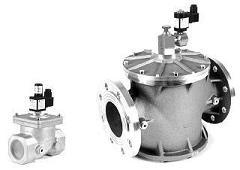
Tell us about your requirement

Price:
Quantity
Select Unit
- 50
- 100
- 200
- 250
- 500
- 1000+
Additional detail
Mobile number
Email


"We are mainly dealing in Haryana, Delhi & NCR regions."

 Send Inquiry
Our Products
- Sequence Controllers
- Industrial Gas and Oil Burner Parts
- Suntec Fuel Pumps
- Ignition Transformers
- Photocells and U.V Cells
- Industrial Gas Burner Controllers
- Boiler limit switch
- Solenoid Valves and Coils
- Siemens Burner Controller
- Cumituff Ignition Electrodes
- Riello Burner Spare Parts
- Dungs gas multibloc
- Chemical Dosing Pumps
- Steam Boiler and COIL
- Industrial Burners
- Water Treatment Plants
- Burner Spare Parts
- Flame Sensor
- Industrial Oil Burners
- Thermax Boiler Spare Parts
- Siemens Flame Sensor
- Oil and Gas Burner Spares
- Dungs Air and Gas Pressure Switch
- Ecoflam Oil and Gas Burner
- Brahma Gas Solenoid Valve
- Brahma Flame Sensor
- Ecoflam Burner Azur
- Ignition Electrodes and Ionization Rods
- Oil Burner Nozzles
- Flame Sensors
- Suntec Fuel Oil Burner Pumps
- Electrogas Solenoid Valves And Coils
- Ecee Thermax Boiler Sequence Controller
- UV Flame Sensor
- Thermax Boiler Coil
- Multiport Valve
- Boilers Components and Spares
- Solenoid Valves, Coils and Multi block
- Oil Burner Pumps
- Honeywell Solenoid Valves
- Thermax Boiler Burner Nozzle
- Weishaupt Burner Spare Parts
- Ecoflam Burner Minor Series
- Siemens Burner Photocell
- Elektrogas Solenoid Valves And Coils
- Beru Ignition transformer
- Oil and Gas Burners
- Thermax Boiler Fusible Plug
- Burner Sequence Controllers


Plot No. - 1, Opposite Dhara Tiles, Palam Vihar Road, Near Sector 5 Chowk, Ashok Vihar Phase -2,Gurugram - 122001, Haryana, India

Mr Mukesh Kumar
(Proprietor)
Mobile :08045813327
 Send Inquiry
 Send SMS
Developed and Managed by Infocom Network Private Limited.
